
In der Welt der professionellen Techniker stehen Wissen, Fähigkeiten und Verantwortung im Mittelpunkt. Von den verschiedenen Branchen, in denen sie tätig sind, bis hin zur Bedeutung von Ausbildung und Zertifizierungen - dieser Artikel bietet einen faszinierenden Einblick in die Welt der professionellen Techniker.
Definition of Professional Technicians
Professional technicians are skilled individuals who specialize in the installation, maintenance, and repair of various technical systems and equipment. They play a crucial role in ensuring that machinery and technology function efficiently and effectively in different industries.
Role and Responsibilities
- Performing regular inspections and maintenance on equipment to prevent breakdowns
- Troubleshooting technical issues and repairing faulty components
- Installing new systems and ensuring they meet safety standards
- Collaborating with engineers and other professionals to improve system performance
Skills and Qualifications
- Strong problem-solving abilities and attention to detail
- Excellent mechanical and technical skills
- Certifications or degrees in related fields such as electronics, mechanics, or engineering
- Ability to work independently and as part of a team
Examples of Industries
- Automotive industry: Professional technicians are needed to maintain and repair vehicles
- IT industry: Technicians are responsible for setting up computer systems and troubleshooting software issues
- Manufacturing industry: Technicians ensure that machinery operates smoothly to meet production goals
Training and Education
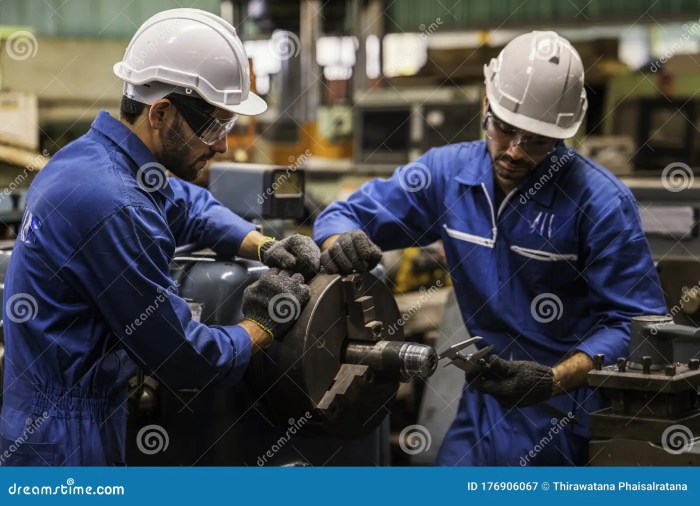
Aspiring professional technicians typically follow a structured educational path to acquire the necessary skills and knowledge for their chosen field.
Typical Educational Paths
There are several common routes individuals can take to become professional technicians:
- Attending a technical or vocational school: Many aspiring technicians enroll in specialized programs offered by technical schools to gain hands-on experience and theoretical knowledge in their chosen field.
- Earning an associate degree: Some individuals pursue an associate degree in a related field, such as electronics or automotive technology, to acquire a solid foundation of knowledge and skills.
- Apprenticeship programs: Another popular option is to participate in apprenticeship programs, where individuals learn on the job under the guidance of experienced technicians.
Importance of Ongoing Training and Certifications
Continuous training and obtaining certifications are crucial for professional technicians to stay current with the latest technologies and industry trends.
- Keeping up-to-date with advancements: Ongoing training ensures that technicians are knowledgeable about the latest tools, techniques, and equipment in their field.
- Enhancing job prospects: Certifications demonstrate competence and expertise, making technicians more attractive to employers and clients.
- Maintaining professionalism: Regular training helps technicians uphold high standards of professionalism and quality in their work.
Different Training Programs
There are various training programs available for individuals aspiring to become professional technicians:
- Certification courses: Many organizations offer certification programs that cover specific skills or technologies relevant to a particular industry.
- Manufacturer-sponsored training: Some technicians receive specialized training directly from equipment manufacturers to become experts in servicing their products.
- Online courses: Virtual training programs provide flexibility for individuals to enhance their skills and knowledge while balancing other commitments.
Tools and Equipment
Professional technicians rely on a variety of tools and equipment to perform their job efficiently and accurately. These tools are essential in ensuring that repairs, installations, and maintenance tasks are carried out effectively across different industries
Essential Tools and Equipment
Professional technicians use a wide range of tools specific to their industry. Some common essential tools include:
- Multi-meter for electrical testing
- Screwdrivers and wrenches for assembly and disassembly
- Power drills for drilling and fastening
- Pipe wrenches for plumbing tasks
- Oscilloscopes for analyzing electronic signals
Importance of Specialized Tools
Using specialized tools is crucial for professional technicians as it allows them to perform tasks more efficiently and accurately. Specialized tools are designed to meet specific requirements of a particular job, ensuring safety and precision in the work undertaken.
Examples of High-Tech Tools
In recent years, high-tech tools have revolutionized the work of professional technicians, making tasks quicker and more precise. Examples of high-tech tools include:
- Thermal imaging cameras for detecting heat anomalies
- Diagnostic scanners for identifying issues in vehicles
- Laser alignment tools for precision measurements
- Drones for aerial inspections and surveys
Work Environment and Safety
Professional technicians work in a variety of environments, depending on their area of expertise. They may work in laboratories, manufacturing plants, construction sites, or even in office settings. Regardless of the specific environment, technicians must always prioritize safety to prevent accidents and injuries.
Typical Work Environments
Professional technicians can be found working in a wide range of environments, including:
- Laboratories: Technicians in this setting often handle chemicals, biological samples, and specialized equipment.
- Manufacturing Plants: Technicians here may work with machinery, production lines, and automated systems.
- Construction Sites: Technicians in construction settings are responsible for installing, maintaining, and repairing various systems and equipment.
- Office Settings: Some technicians work in offices, providing technical support and troubleshooting for computer systems and other technology.
Safety Protocols and Regulations
Professional technicians are required to adhere to strict safety protocols and regulations to ensure their well-being and the safety of those around them. Some key safety measures include:
- Wearing appropriate personal protective equipment (PPE) such as gloves, goggles, and helmets.
- Following proper procedures for handling hazardous materials and chemicals.
- Regularly inspecting tools and equipment for any defects or malfunctions.
- Participating in safety training programs to stay informed about the latest safety practices.
Importance of a Safe Work Environment
Creating a safe work environment is crucial for professional technicians to perform their jobs effectively and efficiently. A safe workplace not only protects the technicians from harm but also boosts productivity and morale. Employers must prioritize safety by providing proper training, equipment, and support to ensure a safe working environment for all technicians.
Zusammenfassend zeigt dieser Artikel, wie professionelle Techniker mit ihrer Expertise und den richtigen Werkzeugen eine sichere Arbeitsumgebung schaffen und in verschiedenen Industrien unverzichtbar sind.
Popular Questions
Welche Rolle haben professionelle Techniker?
Professionelle Techniker sind für die Wartung und Reparatur von Geräten in verschiedenen Branchen verantwortlich.
Welche Ausbildung braucht man, um ein professioneller Techniker zu werden?
Typischerweise benötigt man eine Ausbildung in einem technischen Bereich oder eine spezifische Zertifizierung.
Warum ist die Verwendung spezialisierter Werkzeuge wichtig?
Spezialisierte Werkzeuge ermöglichen professionellen Technikern präzise und effiziente Arbeit.